

Some dishes you never forget. Not because they were perfect, but because they tasted of home. Of long kitchen tables, family rituals, Sundays in the countryside, or that first cheese sandwich you made yourself after school.
That is exactly what “Hamburg’s Stars – Childhood on a Plate” is all about: Hamburg’s top chefs share their personal stories about food – and bring the dishes of their childhood back to the plate in a new, surprising form.
For this special event, three Hamburg restaurants are opening their kitchens and serving menus that evoke memories: honest, emotional and, at the same time, interpreted to the highest culinary standards.
Between chicken fricassee, cheese toast, strawberries and milk, or Labskaus, it quickly becomes clear: childhood tastes different for everyone – but almost always of comfort.
Date:
Sunday, June 7, 2026
Reservations:
Restaurant Heimatjuwel, Stellinger Weg 47, 20255 Hamburg
Start: 12:30 p.m.
Price: 59 euros per person, including water, plus additional beverages
Reservation: FULLY BOOKED
Restaurant ZEIK, Sierichstraße 112, 22299 Hamburg
Start: 12:00 PM
Price: 59 euros per person plus drinks
Reservation: FULLY BOOKED
Restaurant 100/200 Kitchen, Brandshofer Deich 68, 20539 Hamburg
Start: 12:00 PM
Price: 89 euros per person, including water; additional beverages not included
Booking: FULLY BOOKED
Translated with DeepL.com (free version)
Heimatjuwel – Marcel Görke
At Heimatjuwel, the dishes embody exactly what many associate with childhood: warmth, reliability and the feeling of being at home. Marcel Görke brings memories of his rural childhood to the table – shaped by home-grown vegetables, farm animals and simple dishes that never needed much to be special.
Particularly prominent is the chicken fricassee with potatoes. A meal that was a regular feature at his home and which still symbolises a sense of security today. The chickens came from his own farm, and the cooking involved little effort – but it is precisely this simplicity that makes the dish so significant to this day.
Cherry or plum dumpling soup is another of these memories. A simple family dish, often made with fruit from the garden, which for Marcel remains inextricably linked to home to this day. Sweet, familiar and full of nostalgia.
His story about mushrooms is also fascinating: as a child he couldn’t stand them; today they are a natural part of his cooking. It was only during his training that his aversion turned into genuine enthusiasm. It is precisely this transformation that shows how much taste is also linked to personal development.
For the event, Heimatjuwel is serving a menu featuring wild mushroom goulash, Hawaiian toast, chicken fricassee and Klütersuppe – dishes that remain deliberately accessible yet take on a new depth.
“For me and my family, eating together means far more than just sitting down at the table – it’s those special moments that bring us back together in our often hectic daily lives.”
100/200 – Thomas Imbusch & Sophie Lehmann
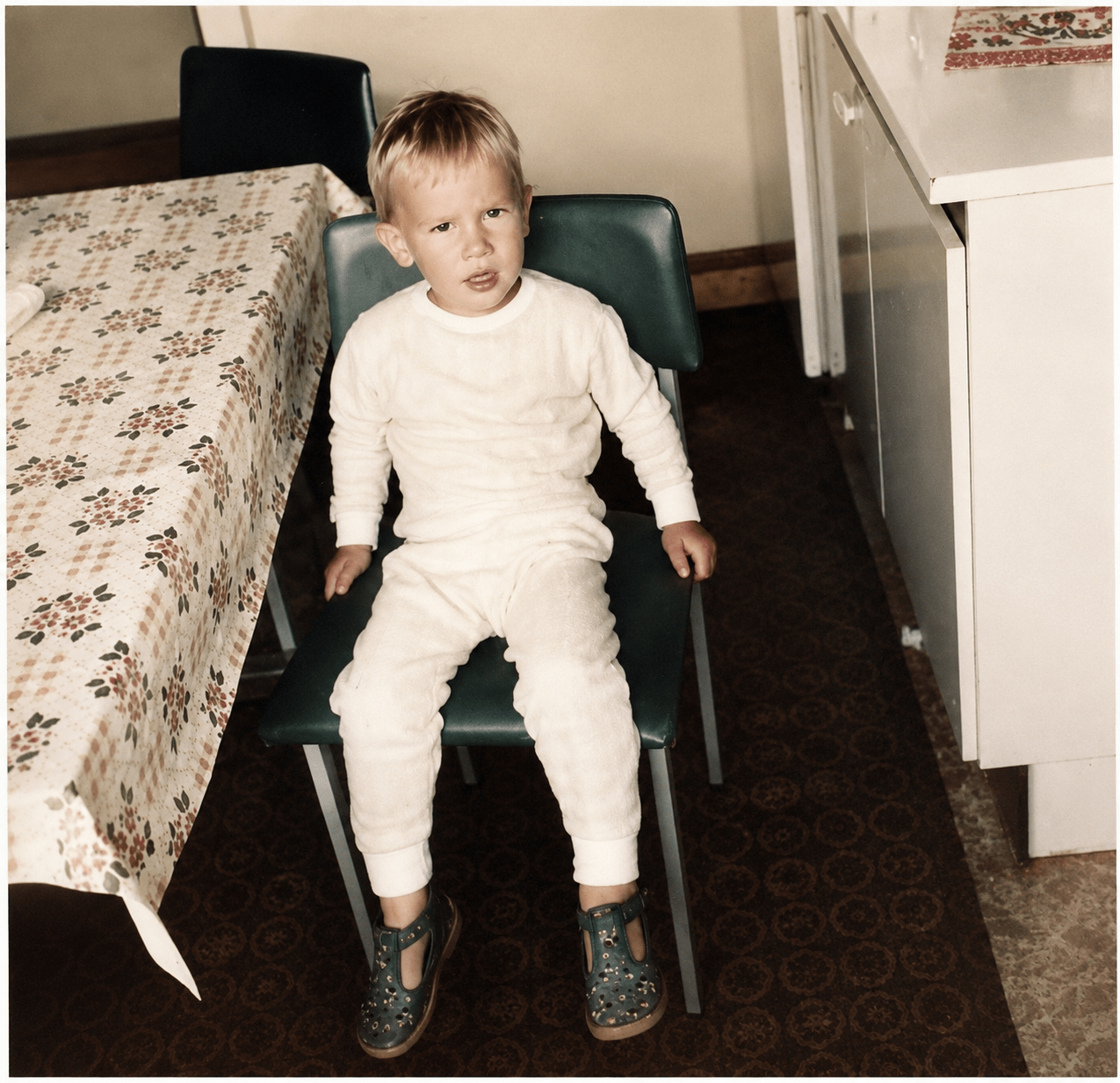
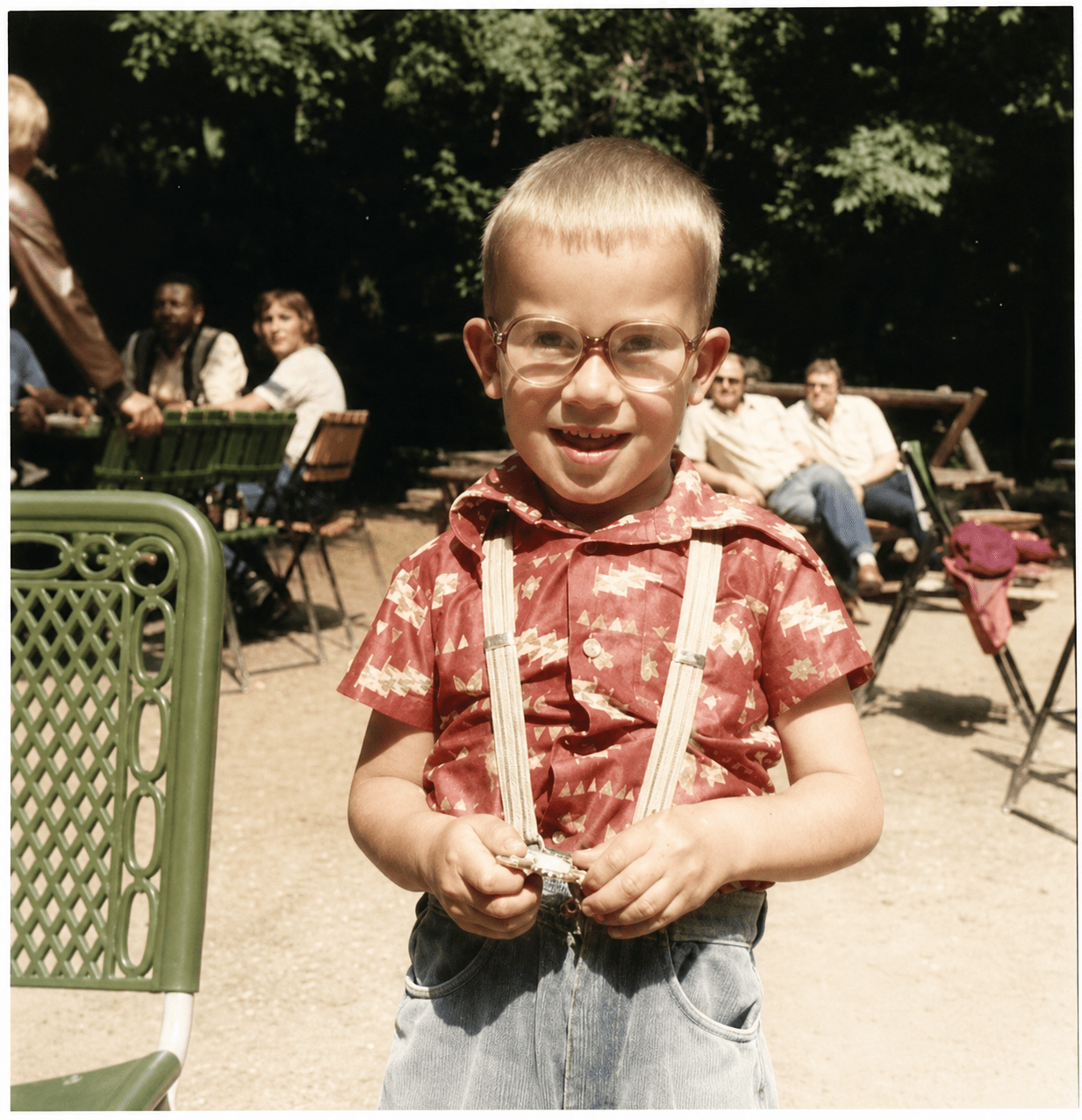
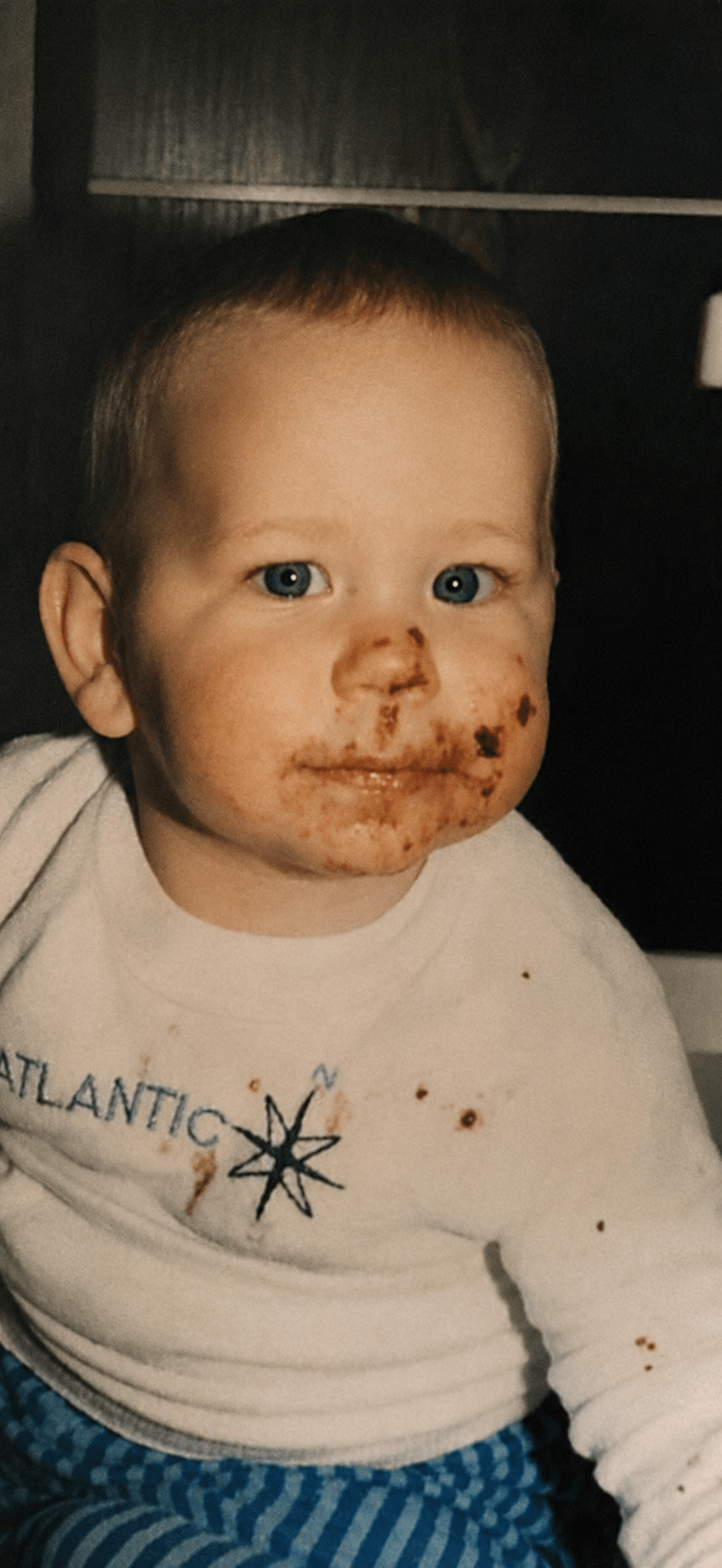
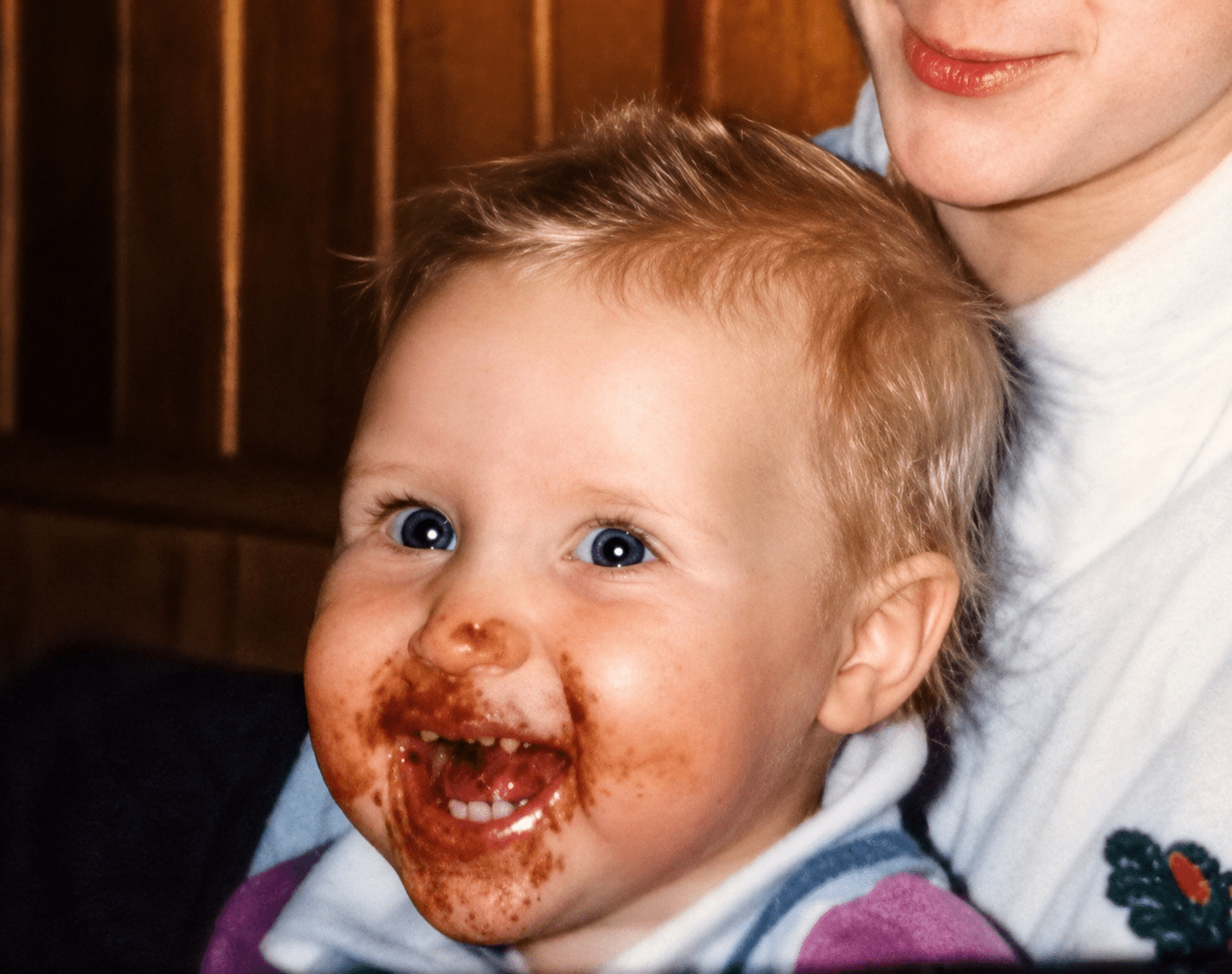
At 100/200, childhood is not romanticised, but taken apart, scrutinised and reassembled. Through their menu, Thomas Imbusch and Sophie Lehmann recount failed cooking attempts, formative family moments and dishes that only took on their true significance years later.
The evening begins with a cheese toastie – inspired by what is arguably the most universal childhood memory of all: the cheese sandwich. A simple dinner that almost everyone knows and which became their first culinary experiment at an early age. Sometimes with ketchup, sometimes au gratin, sometimes combined with some wild sauce. At 100/200, this becomes an adult version of that memory.
Next comes the “Proletarian Oyster”, one of the most personal dishes on the menu. Inspired by Sophie’s memory of her father’s homemade sausage and a failed sausage project by Thomas, a dish was created from sausage meat, beans and robust flavours – deliberately hearty, honest and full of character.
The Königsberger Klopse also make a reappearance, though not in their classic form. For Thomas, they were a culinary highlight as a child – until later versions often proved disappointing. At 100/200, they are therefore reinterpreted as a spicy, creamy ragout that takes the original idea of the dish seriously once again.
To round off the meal, the tongue Bordelaise is served – a dish closely linked to Thomas’s early enthusiasm for French cuisine. It was amidst cookbooks, work placements and his first attempts in the kitchen that his love for true classics developed – along with his aversion to mass-produced imitations. The dish therefore also serves as a small tribute to classic cuisine.
ZEIK – Maurizio Oster
At Maurizio Oster’s ZEIK, the focus is on the small, everyday moments of childhood. No luxury, no theatrics – just smells, rituals and dishes that have become deeply ingrained.
His menu begins with an “evening meal” of kohlrabi and bread. Inspired by fresh vegetables straight from his parents’ garden, the dish is reminiscent of simple snacks that used to be a matter of course.
Another highlight is chicken fricassee – for Maurizio, pure childhood happiness. This always involved curry powder and a bottle of Maggi on the table. It is precisely these little rituals that make up his memories. For the menu, he is even considering his own interpretation of the famous seasoning sauce.
The dessert combines two powerful symbols of childhood: strawberries with cold milk and lard pastries like those from the Hamburg Dom. For Maurizio, this means summer above all else. The first ripe strawberries of the season, simple desserts and that very specific feeling of holidays and home.
Dishes such as kale and Labskaus also play an important role for him. The scent of kale reminds him of winter days, walks with the family and a warm home. Labskaus, on the other hand, he associates directly with his brother and the family’s very own versions of the dish.
One philosophy runs through his entire cuisine: good ingredients and honest dishes need no grand presentation.
“At home, we always had down-to-earth dishes made with the best produce from our own garden. That’s also my approach today in my Michelin-starred restaurant.”
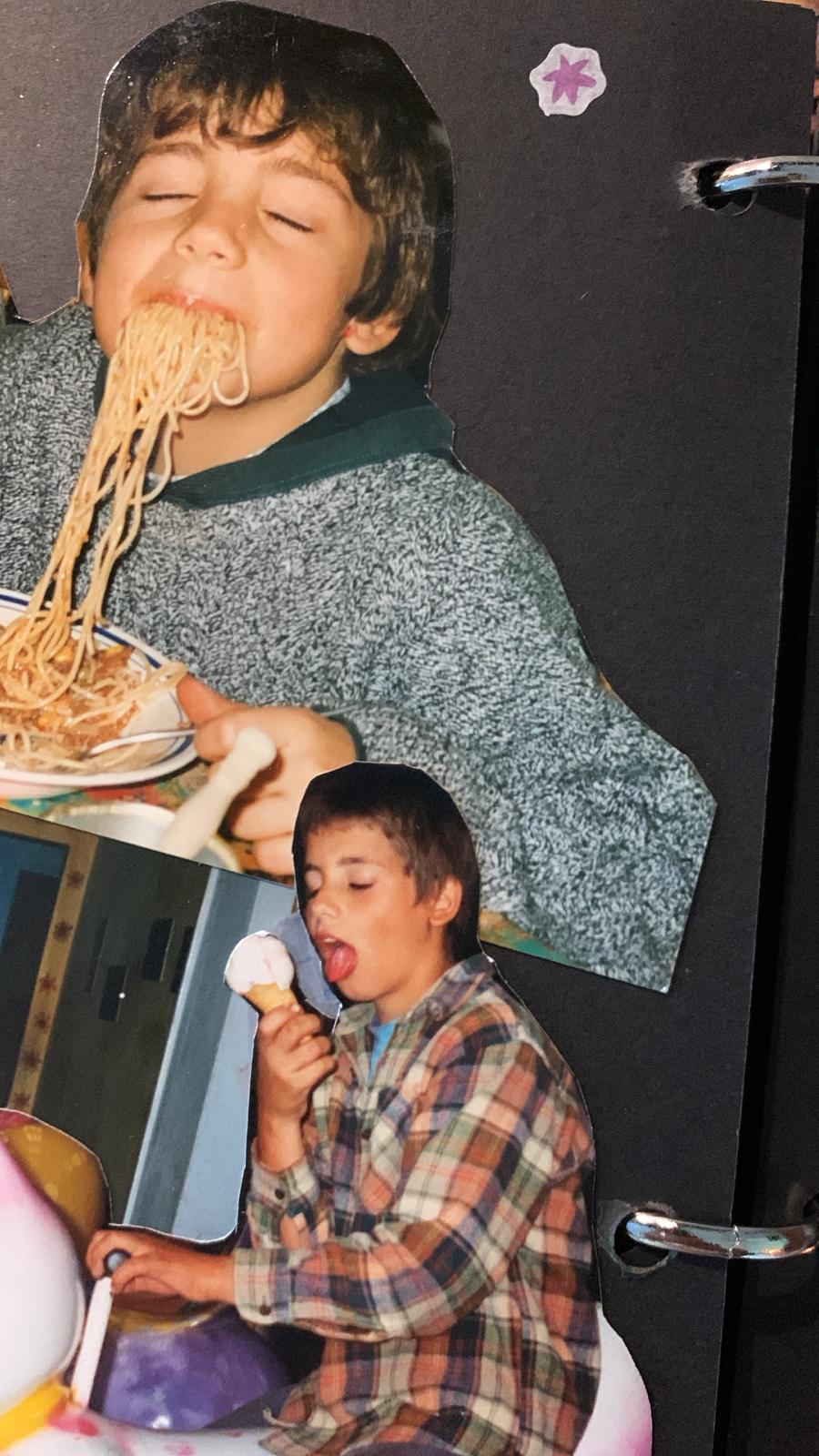
“Hamburg’s Stars – Childhood on a Plate” shows just how closely food and memory are linked. The three restaurants tell completely different stories – and that is precisely what makes this programme so special: it’s not just about fine dining, but about emotions, heritage and the dishes that have shaped us.
Information regarding photography and video recording
Photographs and videos will be taken during the event. The resulting material may be used by OPEN MOUTH Hamburg and the participating restaurants for communication and reporting purposes across print, online and social media channels. By attending the event, guests hereby agree to this.
You are currently viewing a placeholder content from YouTube. To access the actual content, click the button below. Please note that doing so will share data with third-party providers.
More InformationYou are currently viewing a placeholder content from YouTube. To access the actual content, click the button below. Please note that doing so will share data with third-party providers.
More InformationYou are currently viewing a placeholder content from YouTube. To access the actual content, click the button below. Please note that doing so will share data with third-party providers.
More InformationYou are currently viewing a placeholder content from YouTube. To access the actual content, click the button below. Please note that doing so will share data with third-party providers.
More Information